



Maximizing Your Electric Experience at Toyota Bountiful
The automotive landscape is changing rapidly, and Toyota Bountiful remains your premier destination for navigating this electric evolution. Understanding how a Battery Electric Vehicle (BEV) operates is the first step toward a more sustainable driving experience. Many drivers feel overwhelmed by new terminology, yet the concepts are actually quite simple when compared to familiar household items. If you can successfully charge a smartphone, you already possess the basic skills needed to power a Toyota BEV. This comprehensive guide will demystify the essential lingo and charging mechanics you need to know before visiting our showroom in Bountiful, Utah.
Understanding Amperage and the Flow of Energy
When we discuss electric vehicle performance, the term “amperage” or “amps” appears frequently. Think of amperage as the measurement of electrical energy flow. In the context of your vehicle, higher amperage typically translates to faster charging speeds. Consequently, a charger with a higher amp rating will fill your battery in significantly less time than a lower-rated alternative. Furthermore, this is why professional home charger installations often require a dedicated high-amp circuit. By ensuring your Bountiful home has the proper electrical capacity, you can maximize the efficiency of every charging session.
The Role of Voltage as Electrical Pressure
While amperage measures the flow, voltage acts as the “pushing force” or pressure behind that electricity. Imagine water flowing through a garden hose; the voltage is the pressure that drives the water forward. Specifically, the more voltage available, the more energy can flow into the vehicle’s battery to do work. Most standard household outlets in Utah provide 120 volts of alternating current. However, heavy-duty appliances like electric dryers typically utilize 240 volts. Because voltage is a critical component of charging speed, upgrading to a higher-voltage power source is often the most impactful change a new BEV owner can make.
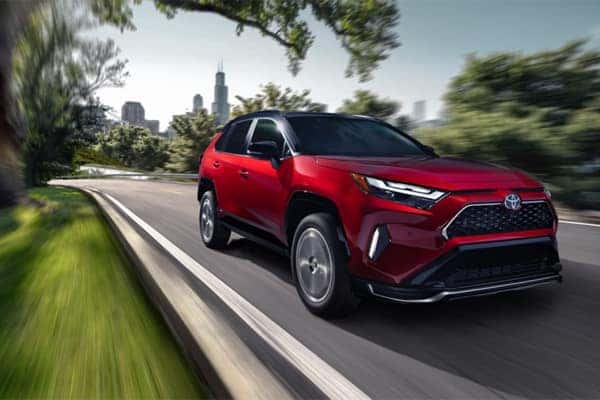
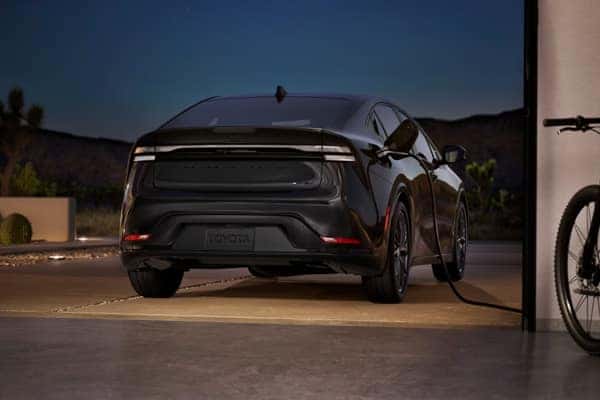
- bZ: Up to 50% more hp; up to 25% more range; 314 miles; 14-inch touchscreen.
- bZ Woodland: 375 hp AWD; 8.3 in ground clearance; 3,500 lb towing; NACS.
- C-HR: 338 hp; ~5 sec 0–60; NACS standard.
Distinguishing Between AC and DC Power
Navigating the world of electricity requires understanding the difference between Alternating Current (AC) and Direct Current (DC). AC power is the directional flow of current that alternates between positive and negative. This is the type of power delivered by standard electrical outlets in your home, typically at either 120 volts or 240 volts. Contrastingly, electric batteries require DC power to store energy. Because of this requirement, your Toyota vehicle must convert incoming AC power from your home into DC power for the battery. When you visit a public fast-charging station in Davis County, you are likely using a DC Fast Charger. These units are highly efficient because they provide DC power directly to the battery, bypassing the vehicle’s onboard conversion process. Consequently, this direct path allows for much faster charging than what is possible with a standard AC outlet.
Kilowatt-Hours: The Electric Version of a Gas Tank
For decades, drivers have measured fuel capacity in gallons. In the electric era, we use the kilowatt-hour (kWh) to determine the capacity of a vehicle’s battery. A kWh is a value of electricity used to represent how much “fuel” your car can hold. Just like a larger gas tank allows for longer trips, a battery with a higher kWh rating generally provides more driving range. For instance, the 2026 Toyota bZ offers battery options ranging from 57.7-kWh to 74.7-kWh. Additionally, as your battery fills during a charging session, the flow of energy may slow down to protect the battery’s health. Understanding kWh allows you to compare different models at Toyota Bountiful and select the one that best fits your Utah lifestyle.
Frequently Asked Question
What is the difference between Level 1, Level 2, and Level 3 charging?
Level 1 charging uses a standard 120V AC household outlet—the most convenient but slowest option, often sufficient for overnight top-off or short commutes. Level 2 charging uses 240V AC power (like a dryer outlet) and offers a significant boost in speed; it has become the standard for most EV owners who want a full charge every morning. Level 3 DC Fast Charging provides high-voltage DC power directly to the vehicle and is primarily used for road trips or quick boosts; under ideal conditions, a Level 3 charger can bring a 2026 Toyota bZ from 10% to 80% capacity in approximately 30 minutes. Toyota Bountiful can help you choose the right setup for your Bountiful home.
Exploring the Three Levels of Charging
Toyota Bountiful customers should be familiar with the three distinct levels of charging available today. Each level is defined by its charge rate and the type of equipment required. Level 1 Charging: This method utilizes a standard 120V AC household outlet. While it is the most convenient option because it requires no special installation, it is also the slowest. Level 1 is often sufficient for drivers with short daily commutes or those who can leave their vehicle plugged in overnight for long periods. Level 2 Charging: Most dedicated home charging stations and many public chargers use 240V AC power. This level offers a significant boost in speed over Level 1. Consequently, it has become the standard for most EV owners who want a full charge every morning. Level 3 DC Fast Charging: These commercial-grade stations provide high-voltage DC power directly to the vehicle. Because they are not typically found in residential areas, they are primarily used for road trips or quick boosts during the day. Under ideal conditions, a Level 3 charger can bring a 2026 Toyota bZ from 10% to 80% capacity in approximately 30 minutes.
The Impact of Utah Weather on Charging Performance
Living in Bountiful means dealing with a variety of temperatures, which can directly affect your BEV’s performance. Specifically, DC charging times will increase significantly as temperatures decrease below 50 degrees Fahrenheit. During the coldest Utah winters, you might experience considerably longer wait times at fast chargers if the battery is frozen. Fortunately, newer Toyota models like the 2026 bZ and C-HR include battery pre-conditioning functions. This technology warms the battery to an optimal temperature before you arrive at a charger, ensuring the fastest possible energy transfer even in the middle of a snowstorm.
Visit Performance Toyota Bountiful Today
Our team at Toyota Bountiful is dedicated to helping you make a seamless transition to electric driving. Whether you are curious about the horsepower of the new 2026 models or the specifics of home outlet requirements, we are here to provide expert guidance. We believe that electrification should be simple, and our local expertise ensures you get the most out of your new Toyota BEV.
Contact Performance Toyota Bountiful today to schedule a test drive or explore our 2026 Toyota BEV inventory!
Explore our entire inventory at our website: https://www.toyotabountiful.com/new-vehicles/
0 comment(s) so far on Maximizing Your Electric Experience at Toyota Bountiful